I’ve spent almost two decades working with growers who push the boundaries of what agriculture can achieve. But even in a leading production region like California with its premium specialty crops, diverse climates, and global markets, one reality remains: high performance doesn’t come from having more data. It comes from having the right insight, at the right time, in the right hands.
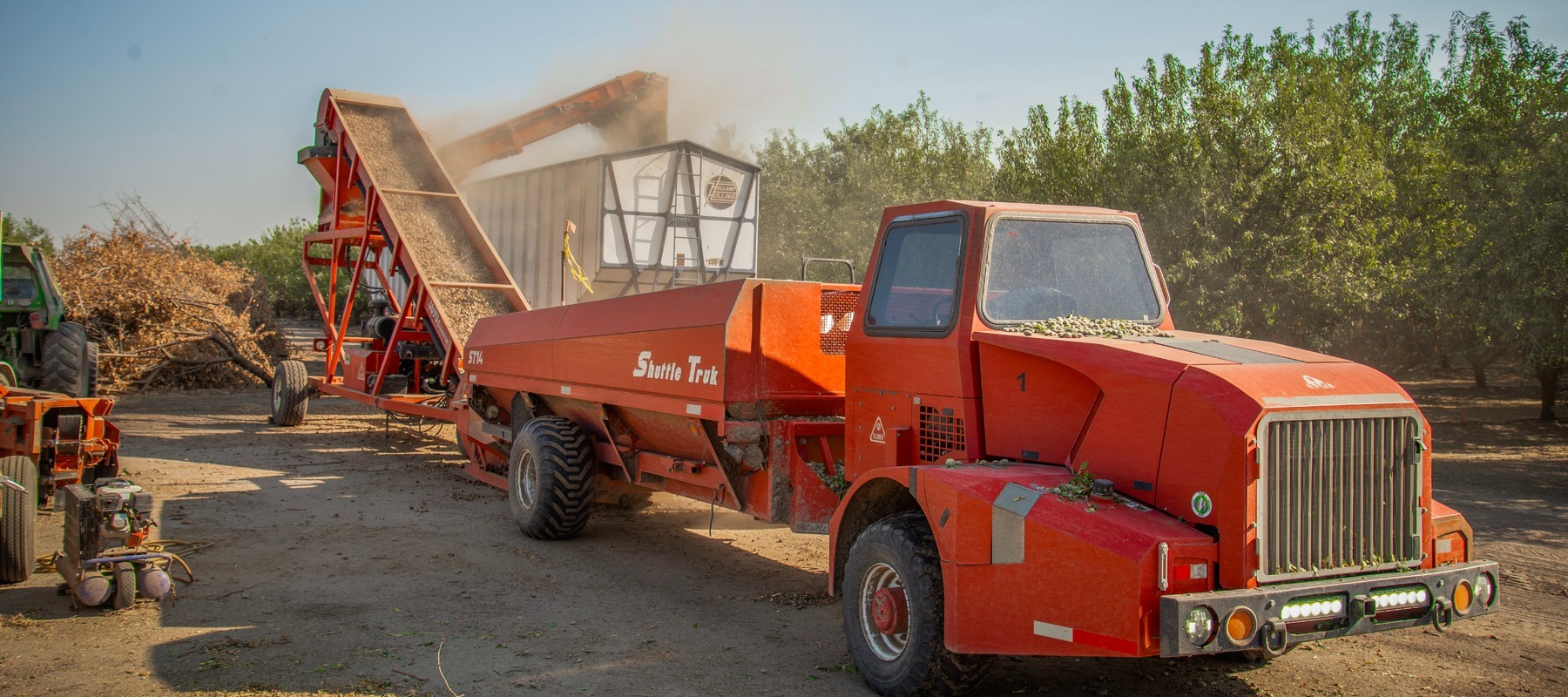
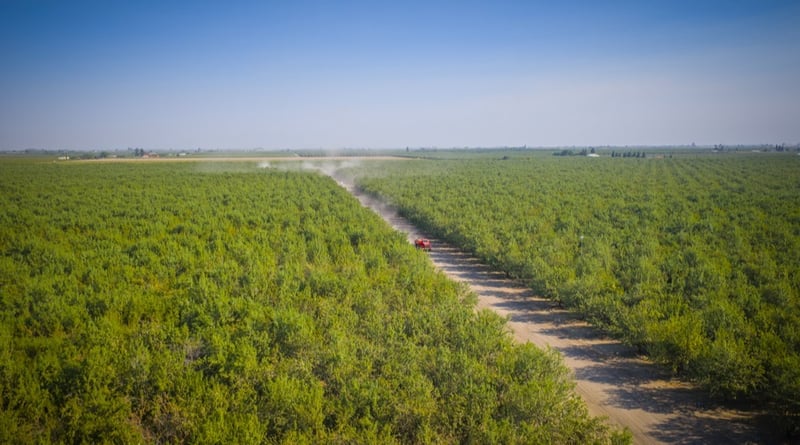
That distinction becomes real when you step into operations like The Specialty Crop Company in the Central Valley. This 20,000-acre operation manages pistachios, almonds, figs, walnuts, persimmons, kiwis and more. Before adopting digital agronomy tools, they relied on spreadsheets, paper binders, handwritten purchase orders, email threads and other manual methods to coordinate field work, administration and billing. The result? Valuable operational context was trapped in stackable paperwork and operational gaps could lead to costly mistakes.
However, this isn’t unique to just The Specialty Crop Company. Growers across California juggle multi-commodity rotations, complex water regulations, intricate pest dynamics, and much more, all while needing to make daily decisions that affect yield and profitability. In this environment, thinking broad and deep is the difference between reactive management and confident leadership.
Thinking broad: connecting every piece of the operation
Thinking broad means seeing the entire operation as a system, not a set of silos.
For The Specialty Crop Company, one of the biggest operational breakthroughs came when recommendations didn’t live in a stack of printed notes anymore. Instead, they became living records that flowed to every part of the business through Agworld. When a PCA creates a recommendation in Agworld, that same record flows to the applicator, the field supervisor, and the office team, all at the same time. This eliminates the gaps that used to create unbilled work or mismatches between field actions and financial records.
This is broad thinking in action:
- It removes information dead zones between teams
- It connects planning to execution and billing
- It ensures everyone, from the field crew to the finance office, sees the same picture in real time
In an environment as complex as for specialty crops in California, broad thinking turns disconnected activities into a cohesive operation.
Thinking deep: turning context into insight
But seeing the big picture isn’t enough. You also need to understand the meaning of what you see, and that requires deep insight.
For example, when a foreman views a recommendation on a tablet before heading to a job, what he sees isn’t just a label name or rate, it’s context:
- Which field
- Which crop
- Which product
- Which timing
- Why this recommendation matters right now
This level of detail is what transforms work orders from tasks that need to be completed, into decisions that make sense. Jacob Mendrin, Farm Manager at The Specialty Crop Company, told us that because of this, field-level errors are prevented: “Agworld has simplified things for us on a field level. Applicators don't have to go back to the office to check a paper sheet with the details of their next operation; they've got the Agworld app on their iPad which shows them all the information they need so they can start the next job without delay.”
Deep thinking also means being able to assess financial outcomes. When a recommendation becomes a work order and flows through to billing and vendor reconciliation, teams can immediately spot pricing differences and prevent costly errors that would otherwise slip through in a manual workflow. For The Specialty Crop Company, this means that they can easily catch price discrepancies. Jacob shared: “If I get quoted a certain price and the invoice says something else, I can flag it before it gets paid. With the old system, that would've just gone through.”
Bringing Broad and Deep thinking together
The real advantage comes when broad and deep thinking aren’t separate goals, but a unified workflow. In California’s specialty crop environment:
- Broad thinking connects data across departments
- Deep thinking turns that data into meaning
- Together, they turn uncertainty into clarity
A grower can plan next season’s inputs with confidence not because they have more data, but because what they have is data that leads to better decisions; from pruning schedules to pest management to cost control.
A model for modern farm management
What The Specialty Crop Company teaches us is that modern farm management isn’t about collecting more information, it’s about making information matter across an entire operation. That’s the core of broad and deep thinking:
- Broad enough to see the full operation
- Deep enough to understand the implications of a decision
- Flexible enough to turn insight into action
This is the future of agriculture and the Semios Group is supporting all those involved in shaping this future. Growers who adopt this mindset don’t just manage fields, they lead operations that are resilient and high-performing.
About Amie Thesingh
Amie Thesingh is a seasoned global leader in agricultural technology and business transformation with extensive experience driving innovation and growth across the ag sector. She currently serves as Chief Executive Officer of the Semios Group, where she leads the company's strategic direction and expansion of grower-focused digital solutions. Prior to joining the Semios Group, Amie held senior leadership roles at Wilbur-Ellis, including leading the Ag Solutions business and serving as Chief Technology Officer, where she launched farmer-facing digital agronomy tools and advanced a $300 million proprietary crop inputs business. She also held leadership positions at Cargill, working across multiple continents to develop farmer solutions, lead grain origination and crop input distribution, and unify business operations. Amie is passionate about empowering growers through technology and operational excellence, with a keen focus on sustainable growth and bringing value to agricultural communities worldwide.